 Hong Kong Property Search
- Hong Kong Island
- Kowloon
- New Territories
- Outlying Islands
More Filters
Views
Include
Find All Hong Kong Property By District - Apartments, Flats And Houses For Sale
Hot Apartments and Flats for Sale In Hong Kong Island
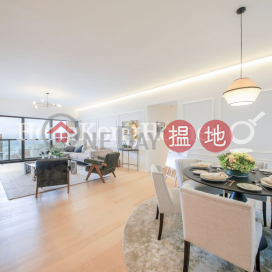
AltamiraMid Levels West
HK$ 93.53M
SFA 2,303'
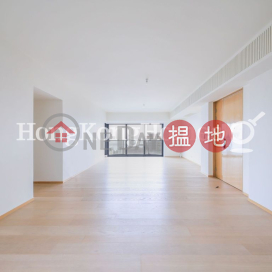
AltamiraMid Levels West
HK$ 84.5M
SFA 2,189'
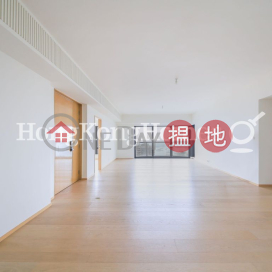
AltamiraMid Levels West
HK$ 105.22M
SFA 2,303'
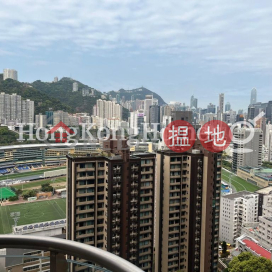
Beverly HillHappy Valley
HK$ 24.8M
SFA 1,070'
Hot Apartments and Flats for Sale In Kowloon
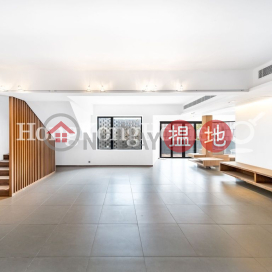
SILVER CRESTKowloon Tong
HK$ 72M
SFA 3,235'
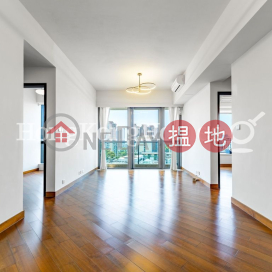
Ultima Phase 2 Tower 5Hung Hom
HK$ 35.8M
SFA 1,221'
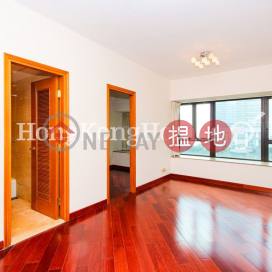
The Arch Moon Tower (Tower 2A)West Kowloon
HK$ 13M
SFA 420'
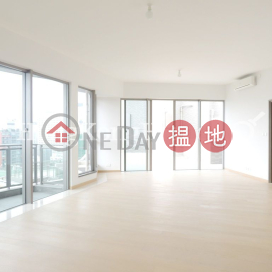
The Waterfront Phase 1 Tower 2West Kowloon
HK$ 90M
SFA 1,564'
Hot Apartments and Flats for Sale In New Territories
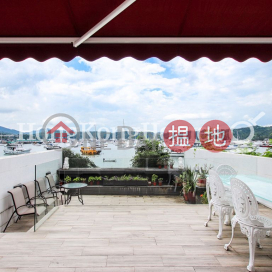
Marina CoveNam Pin Wai
HK$ 39.8MHK$ 42M
SFA 1,942'
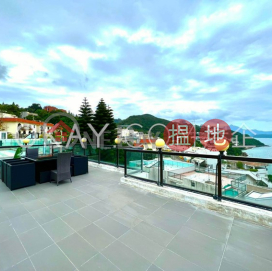
House A1 Hawaii GardenClear Water Bay
HK$ 38MHK$ 58M
GFA 2,350'[Unverified]SFA 1,852'[Not Verified]
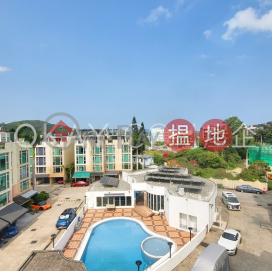
House 22 Villa RoyaleNam Pin Wai
HK$ 13MHK$ 13.6M
GFA 2,003'SFA 1,234'[Not Verified]
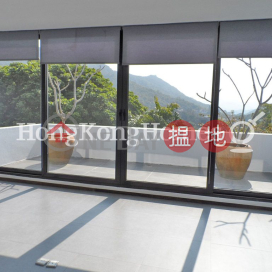
Tai Po TsaiClear Water Bay
HK$ 25M
SFA 2,100'
Hot Apartments and Flats for Sale In Outlying Islands
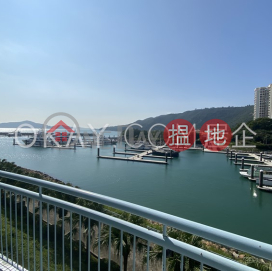
Discovery Bay, Phase 4 Peninsula Vl Coastline, 22 Discovery RoadDiscovery Bay
HK$ 11.8MHK$ 12.5M
GFA 1,508'[Unverified]SFA 1,314'[Not Verified]
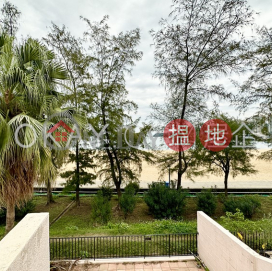
Phase 1 Beach Village, 21 Seahorse LaneDiscovery Bay
HK$ 33MHK$ 38M
GFA 2,075'[Unverified]SFA 1,995'[Not Verified]
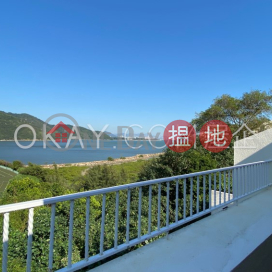
Phase 3 Headland Village, 2 Seabee LaneDiscovery Bay
HK$ 40M
SFA 2,403'[Not Verified]
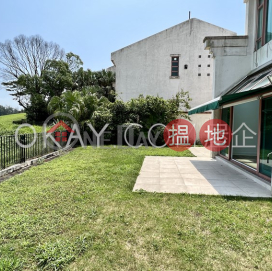
Bijou Hamlet on Discovery Bay For Rent or For SaleDiscovery Bay
HK$ 65M
GFA 2,582'[Unverified]SFA 2,264'[Not Verified]
Landlord Listings For Sale In Hong Kong
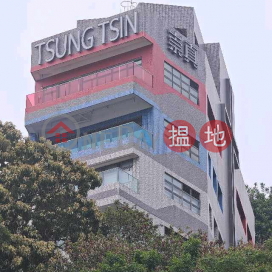
Wai Pont HouseSham Shui Po
HK$ 3.5M
GFA 382'SFA 292'
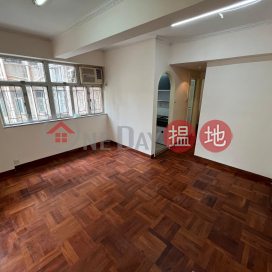
Sum Ming HouseSham Shui Po
HK$ 3.68M
GFA 500'SFA 470'[Not Verified]
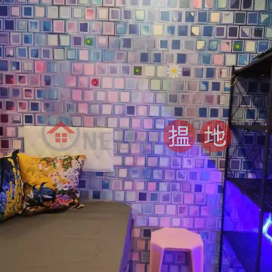
Golden Crown CourtTsim Sha Tsui
HK$ 6.5M
SFA 702'
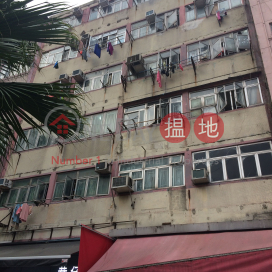
Tak On HouseTsuen Wan West
HK$ 2.59M
SFA 390'
Recently Increased Listings For Sale In Hong Kong
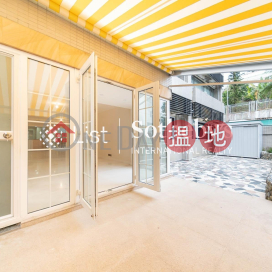
Guildford GardenPeak
HK$ 95MHK$ 85M
GFA 2,400'SFA 1,896'
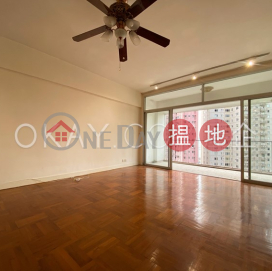
Medallion HeightsMid Levels West
HK$ 30MHK$ 27M
GFA 2,000'[Unverified]SFA 1,640'[Not Verified]
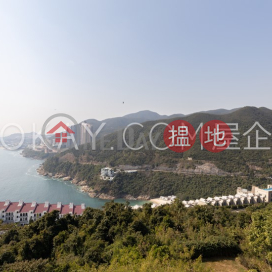
Villa RosaStanley
HK$ 108MHK$ 88M
GFA 3,960'[Unverified]SFA 3,314'[Not Verified]
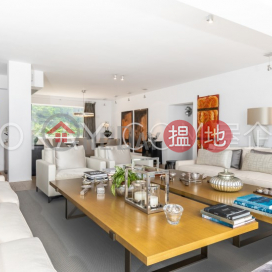
Piccadilly MansionMid Levels West
HK$ 95MHK$ 79M
GFA 2,900'SFA 2,499'[Not Verified]
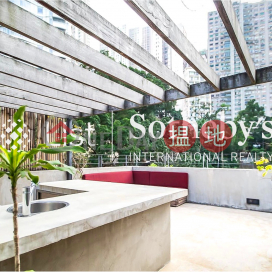
1 U Lam TerraceSoho
HK$ 18MHK$ 16M
SFA 579'
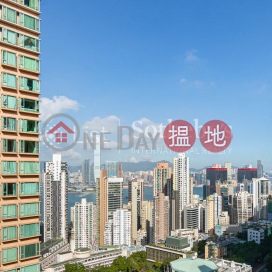
Wilton PlaceMid Levels West
HK$ 31MHK$ 29M
SFA 1,098'
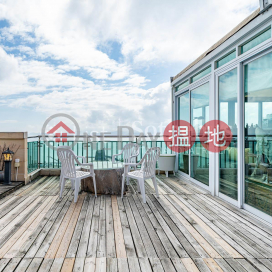
Block 28-31 Baguio VillaPok Fu Lam
HK$ 55MHK$ 50.5M
GFA 3,160'SFA 2,716'
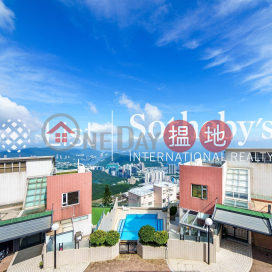
Sunshine VillaPeak
HK$ 100MHK$ 90M
SFA 1,690'
Recently Reduced Listings For Sale In Hong Kong
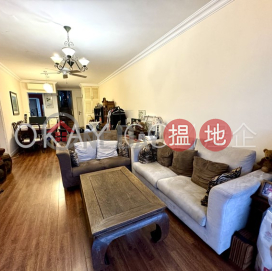
Property on Seahorse LaneDiscovery Bay
HK$ 15.8MHK$ 16.5M
GFA 1,357'[Unverified]SFA 1,282'[Not Verified]
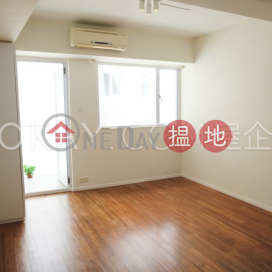
Chong YuenMid Levels West
HK$ 10.5MHK$ 11M
GFA 900'[Unverified]SFA 767'[Not Verified]
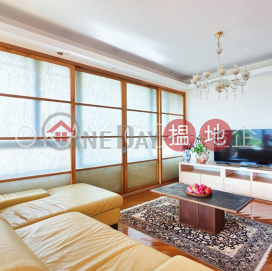
Scenic LodgeTai Hang
HK$ 39.98MHK$ 41.82M
GFA 2,480'[Unverified]SFA 1,841'[Not Verified]
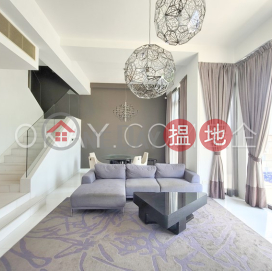
Discovery Bay, Phase 15 Positano, Block L3Discovery Bay
HK$ 22MHK$ 28M
SFA 1,479'[Not Verified]
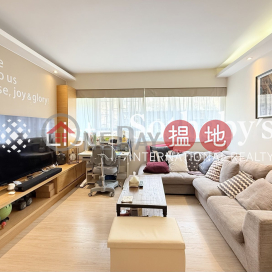
Block 28-31 Baguio VillaPok Fu Lam
HK$ 10.5MHK$ 11M
GFA 1,020'SFA 906'
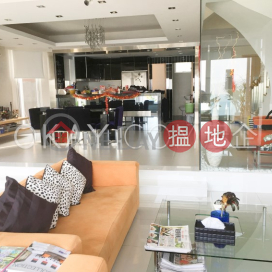
Dragon Lake VillaClear Water Bay
HK$ 59.8MHK$ 63.8M
SFA 2,301'[Not Verified]
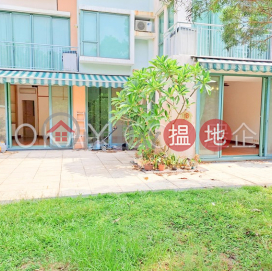
Discovery Bay, Phase 11 Siena One, Block 58Discovery Bay
HK$ 16.5MHK$ 18M
GFA 1,432'SFA 1,146'[Not Verified]
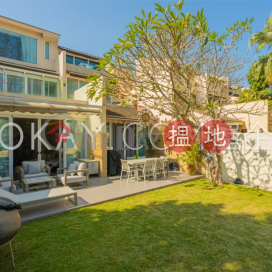
Phase 1 Beach Village, 7 Seahorse LaneDiscovery Bay
HK$ 25.8MHK$ 26.5M
GFA 1,703'SFA 1,626'[Not Verified]
Average Residential Listing Sales Price For Sub-districts Within Hong Kong
Central DistrictJuly 2025
HK$ 37,917 / sq. ft.
↑3% (Last month HK$ 36,712 / sq. ft.)Eastern DistrictJuly 2025
HK$ 23,519 / sq. ft.
↓3% (Last month HK$ 24,369 / sq. ft.)Southern DistrictJuly 2025
HK$ 39,132 / sq. ft.
↓19% (Last month HK$ 48,474 / sq. ft.)Wan Chai DistrictJuly 2025
HK$ 26,147 / sq. ft.
↑0.23% (Last month HK$ 26,086 / sq. ft.)Western DistrictJuly 2025
HK$ 23,747 / sq. ft.
↑2% (Last month HK$ 23,391 / sq. ft.)Cheung Sha WanJuly 2025
HK$ 11,984 / sq. ft.
↓16% (Last month HK$ 14,232 / sq. ft.)Kowloon CityJuly 2025
HK$ 14,732 / sq. ft.
↓20% (Last month HK$ 18,381 / sq. ft.)Kowloon TongJuly 2025
HK$ 21,412 / sq. ft.
↓10% (Last month HK$ 23,728 / sq. ft.)Wong Tai Sin DistrictJuly 2025
HK$ 16,009 / sq. ft.
0% (Last month HK$ 16,009 / sq. ft.)Yau Tsim MongJuly 2025
HK$ 26,938 / sq. ft.
↑4% (Last month HK$ 25,886 / sq. ft.)Kwu TungJuly 2025
HK$ 18,972 / sq. ft.
↓2% (Last month HK$ 19,353 / sq. ft.)Sai KungJuly 2025
HK$ 15,630 / sq. ft.
↓0.34% (Last month HK$ 15,684 / sq. ft.)Sha TinJuly 2025
HK$ 35,831 / sq. ft.
↑151% (Last month HK$ 14,275 / sq. ft.)Tai Po DistrictJuly 2025
HK$ 12,339 / sq. ft.
↑5% (Last month HK$ 11,738 / sq. ft.)Yuen LongJuly 2025
HK$ 16,267 / sq. ft.
0% (Last month HK$ 16,267 / sq. ft.)Lantau IslandJuly 2025
HK$ 16,850 / sq. ft.
↑20% (Last month HK$ 14,051 / sq. ft.)About Buying Apartments, Flats And Houses In Hong Kong
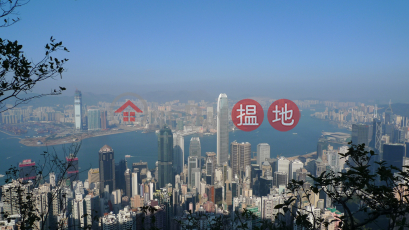 Hong Kong
Residential Properties / Flats / Apartments Rental & Sales in Hong Kong
Hong Kong (SAR) is guaranteed to feature in discussions amongst the property developer and investor communities all around the world. For one, it's very well known for its small handful of ultra-rich property moguls - a select few that have virtually dominated most of the former British colony. But Hong Kong also has some of the most talked-about real estate in the world; ranging from its public and private residential housing estates, industrial parks, commercial & office buildings to its high-end luxury retail precincts in sought after shopping areas. Perhaps the most talked-about is the topic of Hong Kong's housing affordability.
For several years now, Hong Kong has consistently been ranked as the most expensive property market in the world. There are a number of factors that have contributed to this somewhat contentious title, but very generally, it is due to supply and demand. Geography has some, albeit small, part to play in this; with over 700 mountainous islands, developing land with infrastructure can understandably be both challenging and expensive. Another small, but noteworthy contributing factor affecting the supply and demand equation is Hong Kong's popularity - Hong Kong is one of the most densely populated regions of the world with a population of approximately 7.5 million (and growing). That's over 7,100 people per square kilometre of inhabitable space. Of the already existing developed areas, many parts of Hong Kong are overflowing.
What makes Hong Kong so popular to live and work? Not only is Hong Kong a financial mega-hub, but it has a temperate climate, a decent quality of life with good healthcare and education. It's also positioned, geographically, as a favourable access point into the world's most populated country; the People's Republic of China. However, a major factor influencing supply and demand (and therefore property prices) comes down to Hong Kong's very low income and corporate taxes - but more precisely - the method of selling land to developers that the Government deploys in order to offer these attractive low tax rates.
Hong Kong's undeveloped land is 100% owned by the Hong Kong Government. It's not put up for sale very often, but even when it is, the Government then controls the process whereby contracts to develop the land are given to the 'highest-bidder-wins' property developers via a tender process that goes on behind the scenes - usually for eye-watering sums. Increasingly, more of the developers winning the contracts to develop land in Hong Kong are coming from Mainland China. After the land & real estate has been developed, individual property titles are then typically on-sold to anyone who can afford to pay the ever-increasing prices the market demands (again, many buyers are rich Mainland Chinese property investors). This is, by and large, one of the main ways the Hong Kong Government is able to keep its income and corporate taxes so low since a large chunk of the Hong Kong Government's revenues come from these lucrative land sales to big-time property developers. Some people argue that this process creates no incentive for the Government to curb escalating housing prices and for many of these reasons the Government may continue to struggle to create a home-owning society for everyone in the near future.
That being said, the Government maintains that it is continuously looking for new ways to change this. It currently owns about half of all residential property in the way of public housing estates. It is also trialling different ways to make homeownership more affordable for lower socioeconomic families through assisted Home Ownership Purchase Programs and other rent-to-buy housing schemes. Other Government-lead market-cooling interventions introduced in the past have included raising transaction taxes and stamp duty. However, it's been argued that these have had mixed results. While some still worry that Hong Kong's real estate market will forever be beyond their reach, astronomically-high property prices are rarely sustainable in the long term. The number, scale, form, and the rate of real estate projects that dictate property prices can easily be influenced by constant fluxes in an economy (both local and global) including government regulations and policies (either locally administered or foreign). Whether it's by way of government intervention or not, or market changes that are foreseeable or unforeseeable, changes can and will eventually occur - and if history is anything to go by, we know that change is the only constant. Few people need reminding that Hong Kong's seemingly relentless real estate market can be brought to its knees in devastating ways, as it has been in the past; being hit in 1997 (Asian financial crisis), 2003 (SARS epidemic), and in 2008 (Global Financial Crisis).
Despite these market knockbacks, the planning of new property-development projects, of varying sizes, will never cease to continue all throughout Hong Kong. As well as new public and private housing estates, new science and technology parks and other 'innovation hubs' that are under construction, Hong Kong is currently undergoing some large-scale, cross-boundary infrastructure projects. Take, for example, the Hong Kong-Zhuhai-Macao Bridge and the Guangzhou-Shenzhen-Hong Kong Express Rail Link. These are just two examples of significant investment in areas that are poised to benefit economically from cross-border transport infrastructure by way of increased international traffic flows to, and from, Hong Kong, Shenzhen, Macau and Zhuhai. It will no doubt provide a powerful stimulus to the residential, commercial, industrial and retail property markets as well.
Whichever way you choose to look at the current and future state of the Hong Kong property market, it's bound to generate interesting discussions and debate.